
ESD Flooring in Denver
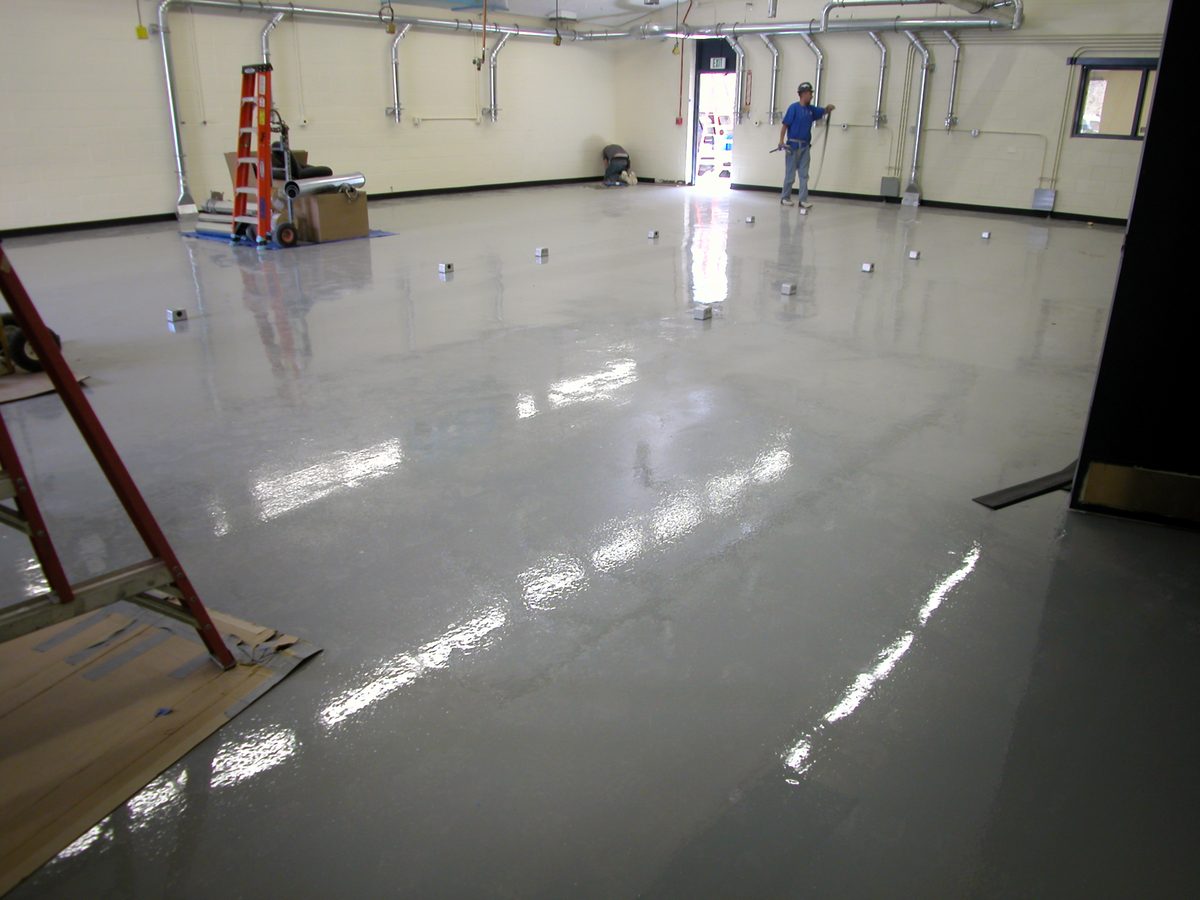
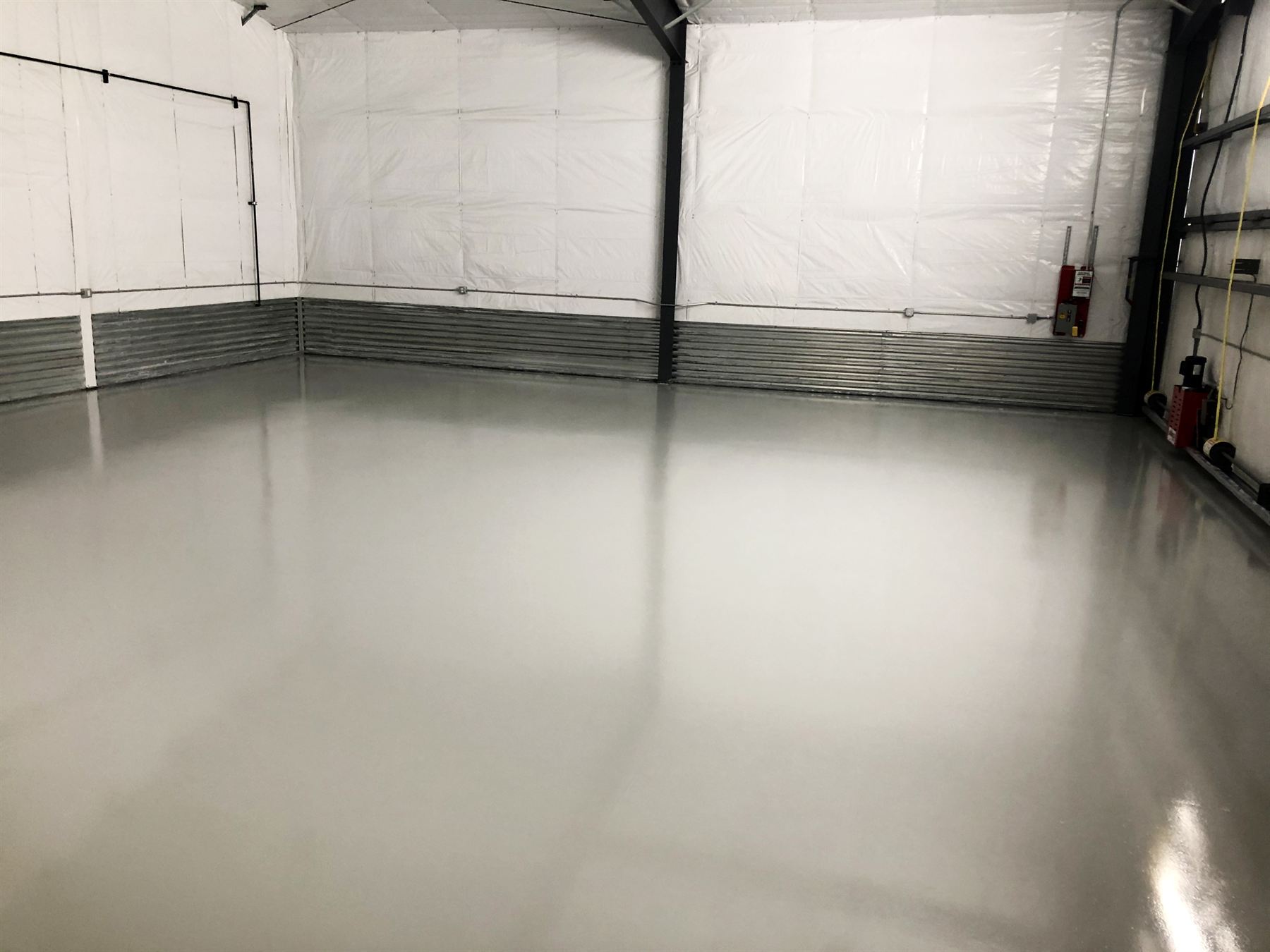
Resinous ESD flooring systems are used to protect equipment and workplace environments by reducing and even eliminating static electricity.
Denver, Colorado Springs and the Front Range
- Application
Variations of ESD flooring include
Western Concrete Coatings offers a variety of ESD flooring systems to meet the needs of all industries that require Electro-Static Dissipative floors. Resinous ESD flooring systems are used to protect equipment and workplace environments by reducing and even eliminating static electricity. In some environments static can cause varying levels of disturbances that can cost time and money, but can also cause injury. Let us help you find a solution that can prevent these workplace concerns.
Along with meeting the criteria of conductivity, resinous static dissipative flooring also provides exceptional wear and impact resistance, excellent chemical resistance and easy cleanability, and is aesthetically attractive and ergonomic.
- Conductive
- Dissipative
- Spark proof
- Anti-static

- Best uses
Best uses
- Pharmaceutical Cleanrooms
- Electronics Manufacturing
- Data Center Flooring
- Aerospace Industries
- Automotive Assembly
- Hospitals and Labs
- Microchip and Semiconductor Manufacturing
- Fuel and Gas Industries
- Packaging Areas
- Any space with electronic equipment that needs safeguards
How Static Electricity Forms
The static that we are looking to prevent is exactly what you are probably thinking it is. It is an electrical charge that is caused by friction that creates a negative charge. Walking on carpet in socks (or shoes), rubbing a balloon on a sweater or on your hair are the most obvious ways of negatively charging yourself that we all can understand. When you touch metal or another person with less of a negative charge, static shock jumps from one object to another in spark form. These negative charges can also be generated through solids (not just human), liquids, powder or dust and even gas.
ESD flooring is installed to prevent this static charge from happening. Anti-static flooring is grounded to the building or the area of the building to allow that charge to be conducted to the ground or the ‘earth’ (dissipative) instead of causing a static spark to an object.
How ESD Floors Are Grounded
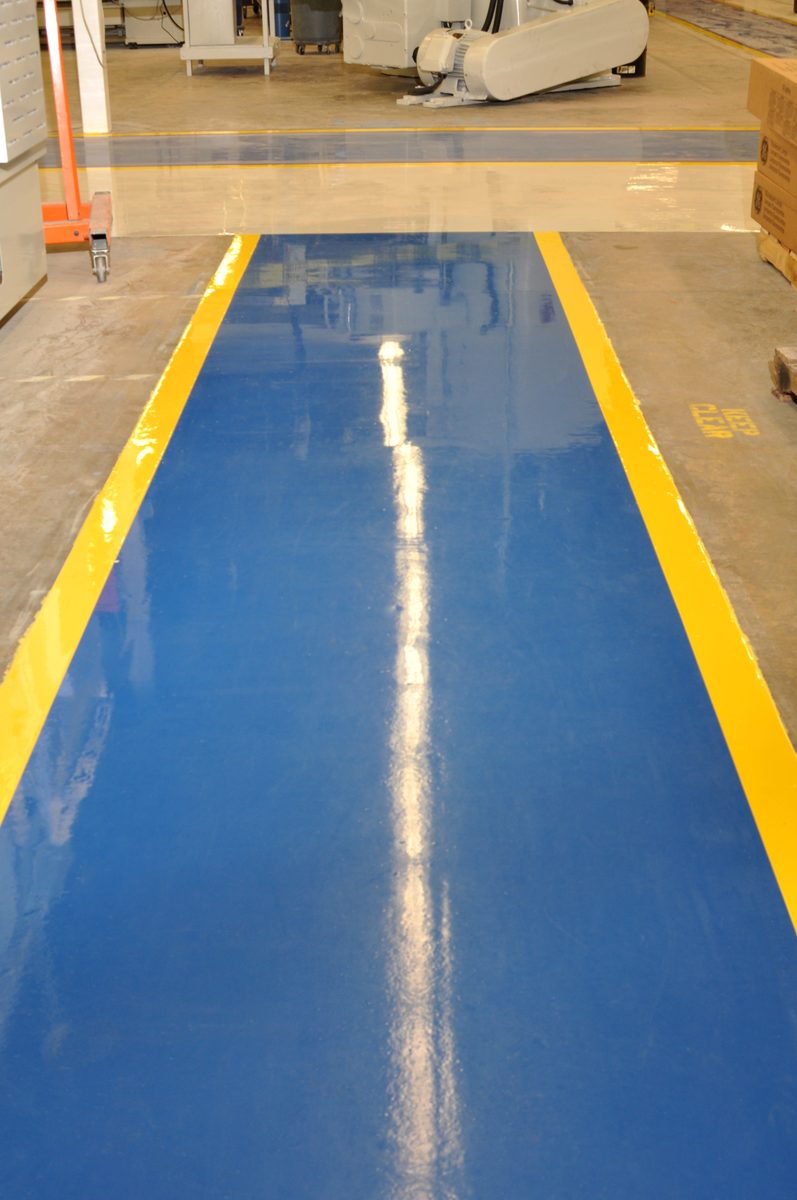
These ESD flooring systems are grounded to the floor using copper strips that attach to the steel structure of the building, grounding rods, bus bars, grounding lugs and even the ground inside an electrical outlet. Several of these copper strips will need to be placed depending on the size of the room or building. The copper strip is stuck to the ground and rolled out and stuck to a conductive primer on the floor. Now the ESD flooring topcoat can be installed and will coat and cover the copper strips. We suggest that your customer provides locations for grounding that are tested by their facilities experts or by an electrician provided by them. All grounds, even the most obvious ones, should be verified by an independent source.
Measuring Conductivity in Ohms
Conductivity is where the final results are determined. There is definitely a sweet spot for static dissipative flooring. Conductivity is measured in Ohms with a megohmmeter. This goes hand in hand with determining proper ground. Ohms should be measured and recorded independently or at least in conjunction with an electrician or facilities expert chosen by the customer. The range is typically scaled. Starting at 10 to the power of -2 and going up to 10 to the power of 4 is considered conductive. Next, starting at 10 to the power of 6 and going up to 10 to the power of 10 is considered dissipative. Finally, starting at 10 to the power of 12 and going up to 10 to the power of 14 is considered isolated or insulated. To help understand this even more, Ohm’s law states: “The current passing through an electrical circuit is directly proportional to the amount of voltage used to create the flow and is inversely proportional to the resistance when the temperature is constant.”
Protecting People, Products and Processes
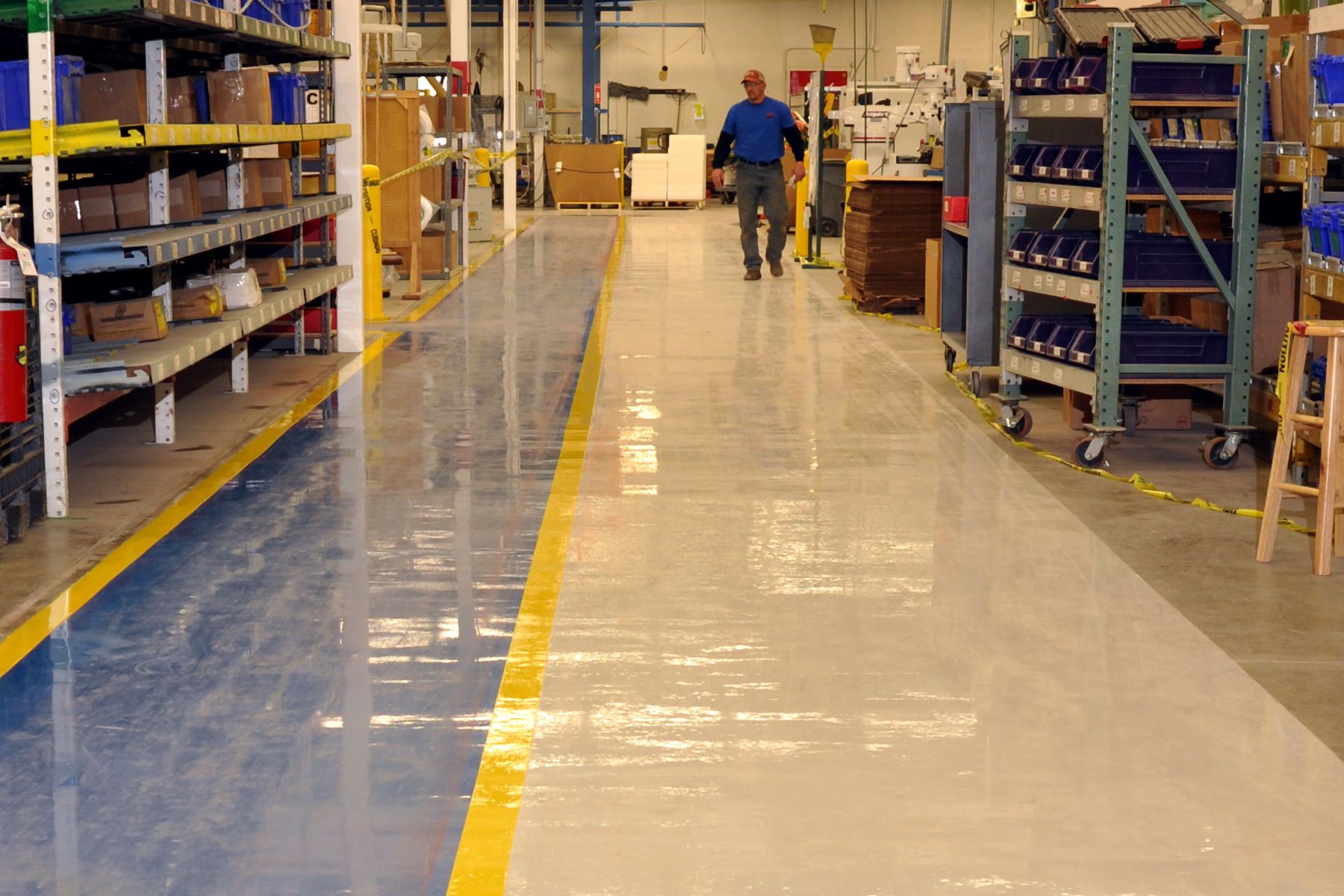
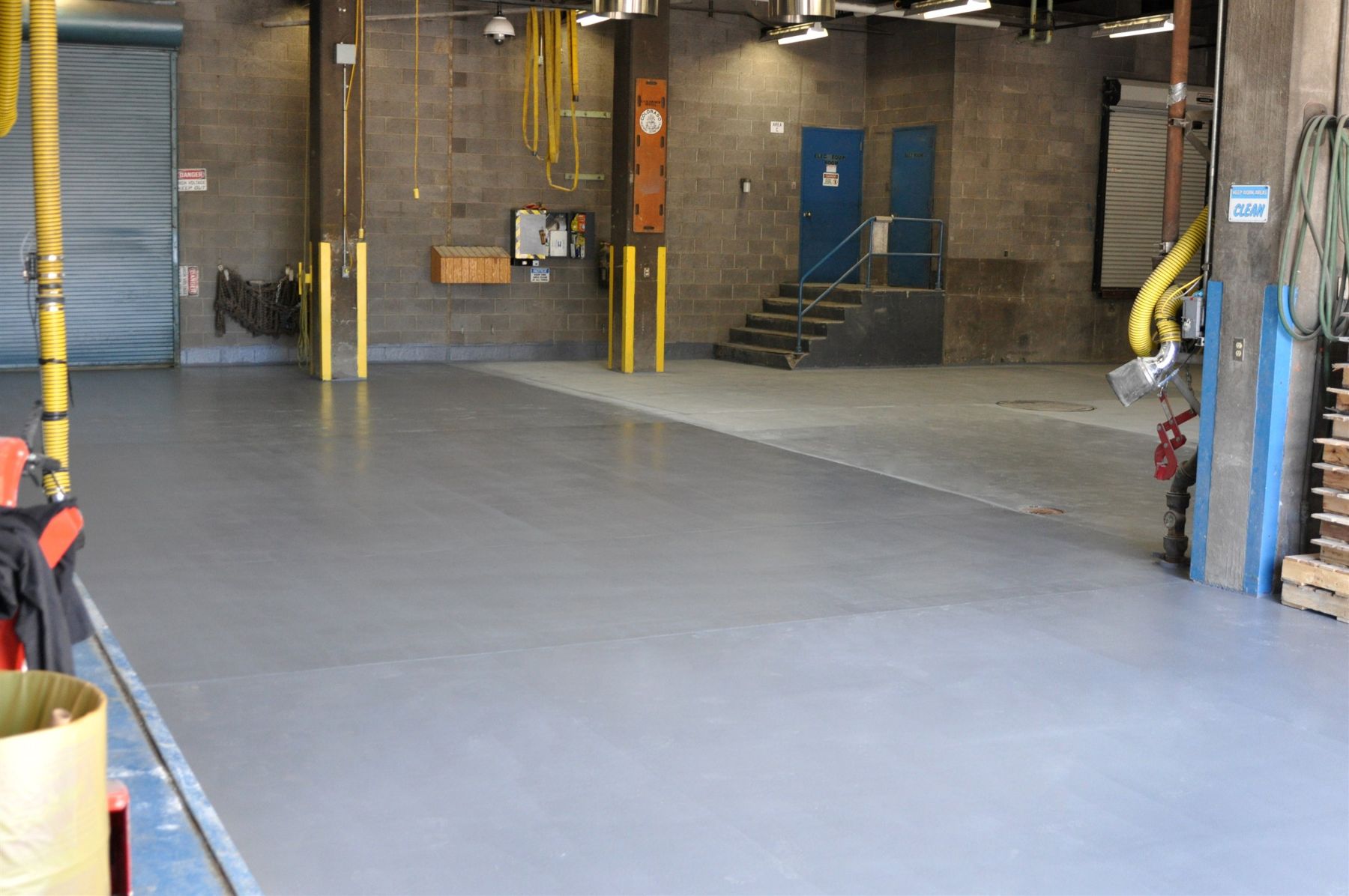
ESD flooring is an infrastructure upgrade and a quality control measure that protects people, products and processes, covering a range of situations that fit your company’s specific needs. Controlling conductivity in your work environment while maintaining cleanability and durability serves as a major part of your work environment’s safety protocols.
- Related pages
Related floors
Compare other systems and applications.
- Start a project
Tell us about your floor
Share the location, floor condition and timing.
Phone
Based in
Denver, Colorado
Concrete flooring for Colorado facilities
Company
Contact
- (303) 933-6542
- Denver, Colorado
- info@westernconcretecoatings.com
© 2026 Western Concrete Coatings | Privacy Policy | Terms
Denver, Colorado Springs and the Front Range